Found Mold? Start With a Calm Hour
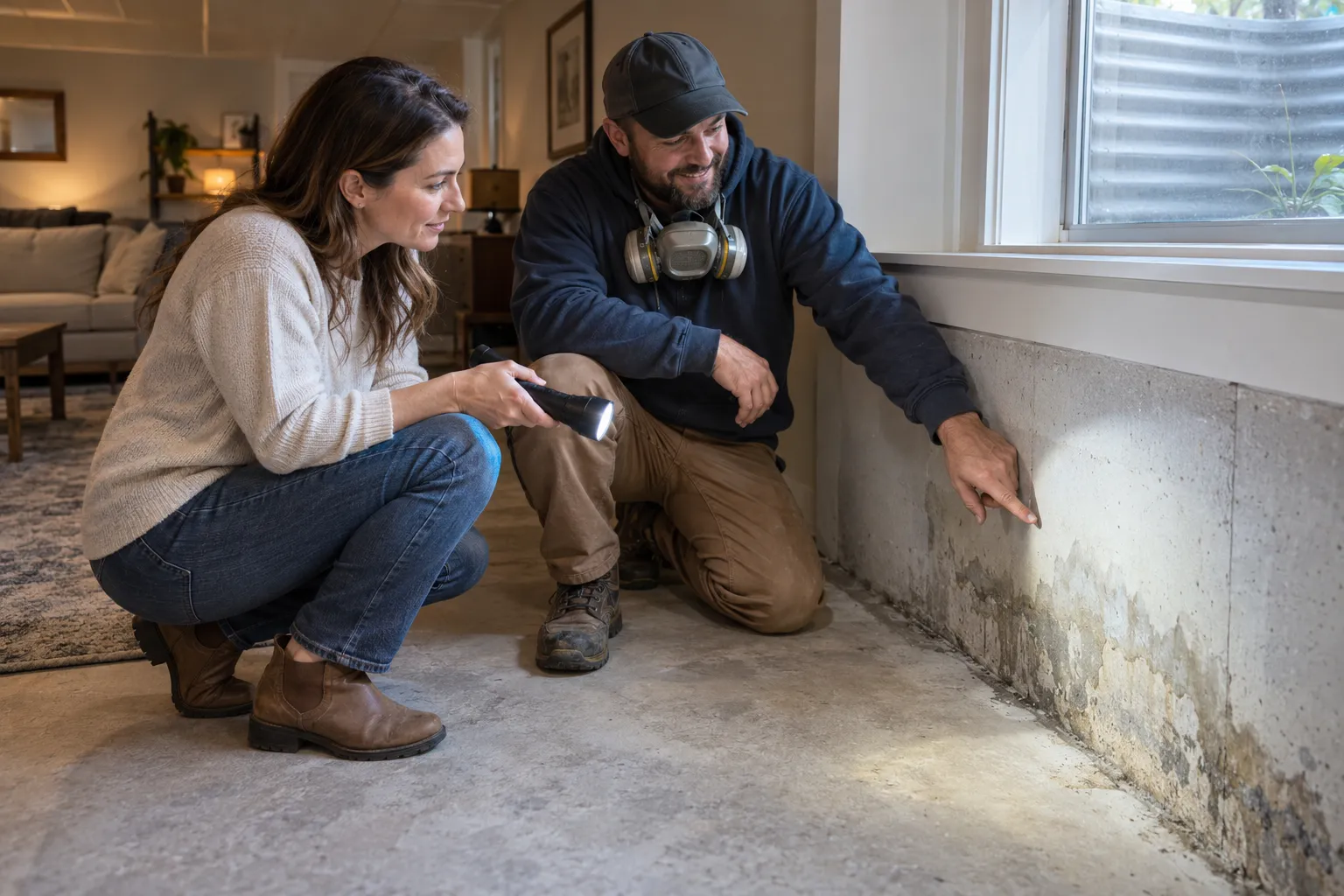
Say you open the basement door and catch a damp, earthy smell. Then you spot dark patches low on a wall. Your stomach drops. That reaction is normal. It is also the moment to slow down.
Movementsrepresents Mold Help is a referral service for homeowners in Eagle and the Eagle area. Movementsrepresents Mold Help does not do the work itself. It connects you with independent local providers in our network who handle mold inspection, testing, and removal.
Here is a calm first hour. Shut off any water source you can find. Close the door to the room. Leave the patch alone, since scrubbing can spread spores. Snap a few photos with your phone. Then reach out for help.
The easiest way to start is to request an estimate. Tell us what you saw and where you saw it. A local provider can then get in touch to talk through the next step.
Get Started
Would you rather talk it through? Request a callback to check provider availability. Hours vary by provider, so the request form is often the smoother first move.
If you have typed mold inspection near me into a search bar tonight, you are in the right spot. Start with one clear look at the problem, then decide what comes next.
How It Works
A referral service, not a contractor
Movementsrepresents Mold Help sits between you and the people who do the work. Picture a neighbor who always knows who to ask. That is the role. You describe the problem. A local provider from our network follows up. The provider inspects, tests, or removes the mold. Movementsrepresents Mold Help does not.
Three kinds of help
- Mold Remediation Services for cleanup and removal of mold growth in living areas, basements, and attics.
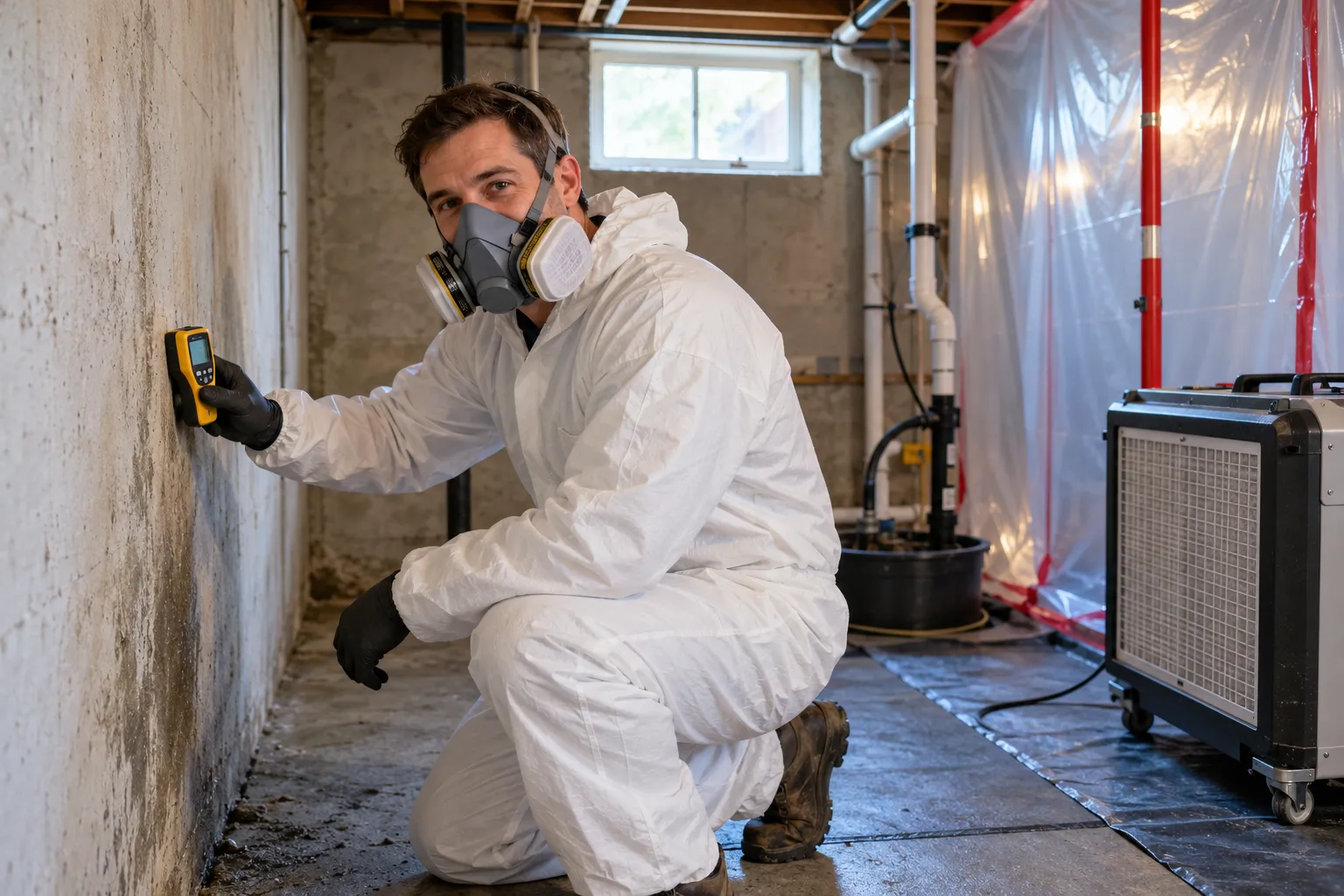
- Black Mold Removal Services for dark, stubborn growth that needs careful containment.
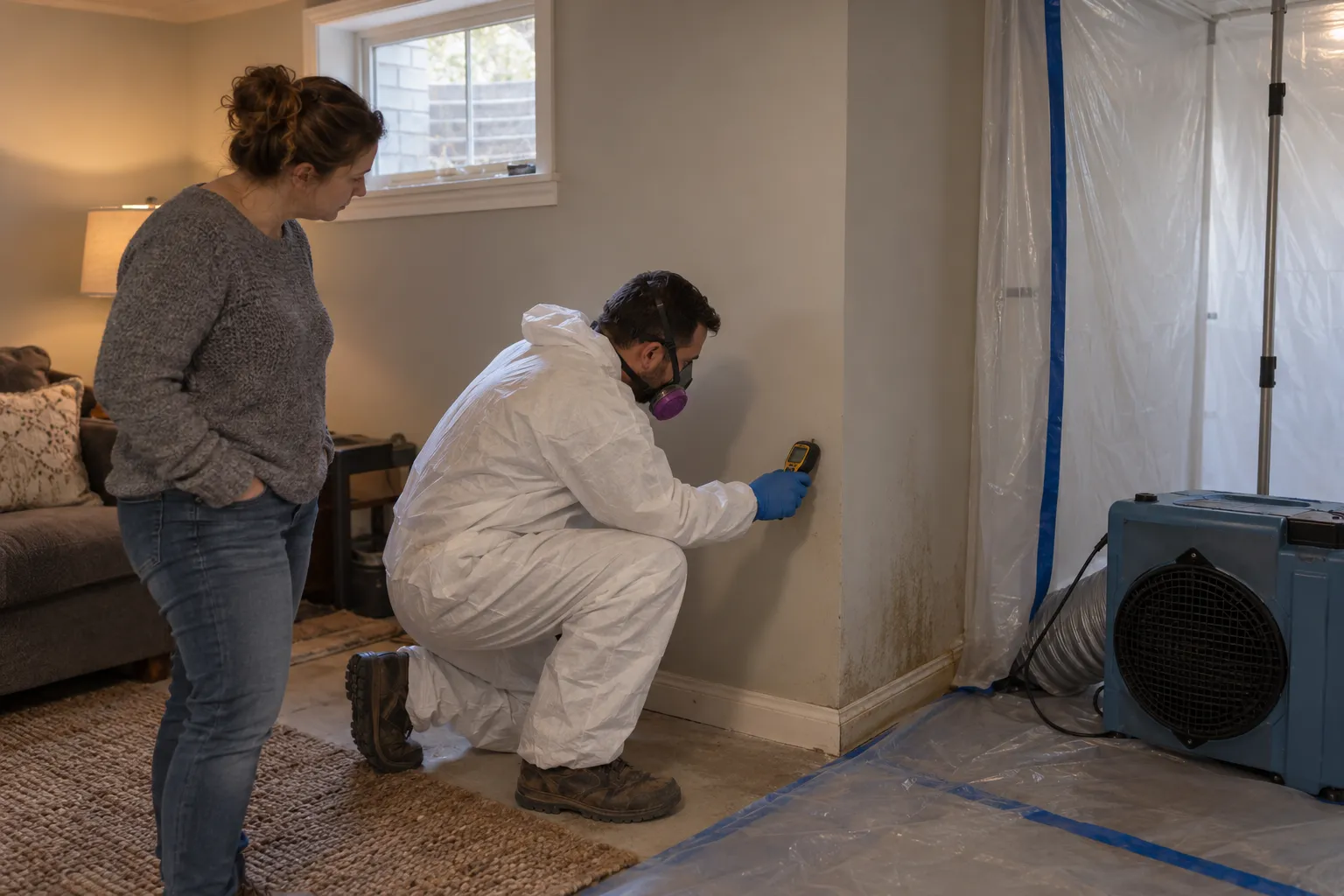
- Mold Inspection & Testing Services for learning what is growing, where, and how far it has spread.
Many homeowners begin with an inspection. Others already know what they see and want residential mold removal. Either path is fine.
What happens after you ask
Say you send a request on a Tuesday evening. A provider reads it, asks a few questions about the room and the moisture, and offers a visit. You receive a written quote. You decide. There is no obligation to hire anyone.
Why the source matters
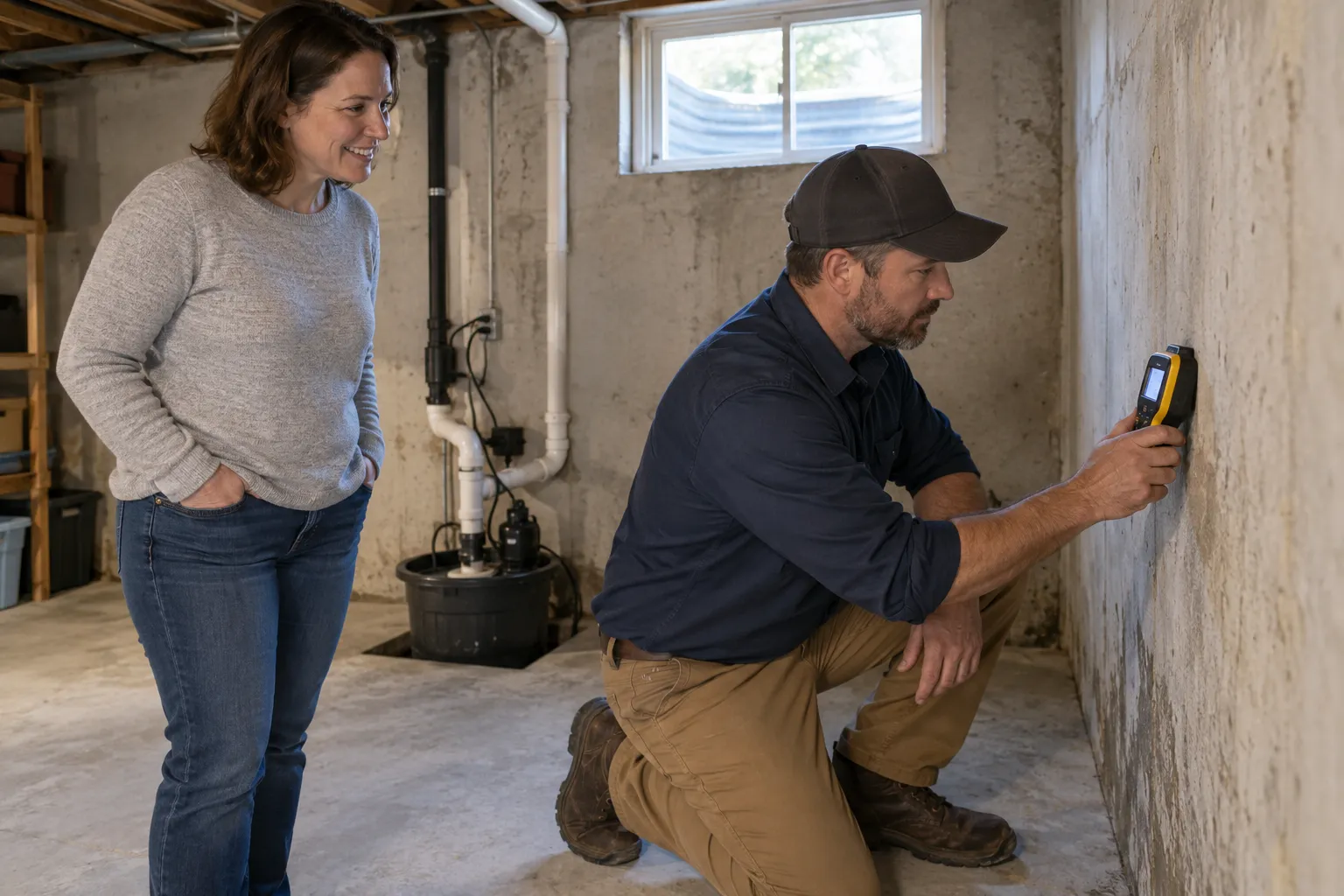
Mold grows where moisture lingers. A careful provider looks for the leak, the damp wall, or the humid corner, not just the stain. Cleaning without fixing the cause often means the patch comes back. Ask every provider how they plan to deal with the moisture, and whether they offer certified mold testing if you want lab results.
Mold Help Near Your Home
Say a summer storm rolls through, hail pings the roof, and a week later the upstairs ceiling has a faint brown ring. Or say spring melt pushes water toward the foundation and the sump pump runs all night. These stories repeat across Eagle and the Eagle area.
Providers in our network work with the local housing: full basements, frame houses that have stood for many decades, and cozy bungalows and ranch homes. Each has its own weak spots, from window wells to old attic vents.
Tell Movementsrepresents Mold Help where you live and what you found. Your request goes to a local provider who knows how weather treats homes in your part of the Eagle area.
Get Started
Not sure the problem is even mold? A short description and a photo is enough to begin. If you would rather speak with someone, request a callback to check provider availability in your neighborhood.
Mold, Weather, and the Seasons Here
Timing your mold work with the weather
Mold follows moisture, and moisture follows the calendar. Knowing what each season brings helps you spot trouble early and plan the work.
Spring: melt and flooding
Say the frost leaves the ground and meltwater creeps toward your foundation. Damp carpet, wet drywall, and a wet sump pit can start mold growth quickly. Check the basement after every heavy thaw or rain.
Summer: heat and humidity
Hot, sticky air settles into closed basements and crawl spaces. Cool walls gather condensation. A dehumidifier and a hygrometer, which shows humidity levels, are simple early warnings.
Storm season and hail
Say hail cracks a few shingles during a thunderstorm. Rain slips under them and soaks the attic insulation. The stain may show up weeks later. Look at ceilings after any big storm.
Fall: the quiet window
Cooler, drier days are often a good time to schedule inspections and cleanup. Fixing gutters and grading now helps before the next thaw.
Winter: deep frost and closed windows
Homes are sealed tight, and warm indoor air meets cold walls. Bathrooms, attics, and window corners collect moisture. Poor ventilation is a common culprit.
Basements and sump pumps
A sump pump is a helper, not a promise. Test it, keep the discharge line clear, and consider a battery backup for storms. Stored boxes on bare floors can hide mold for months.
Older frame houses, bungalows, and ranches
Decades-old frame homes often have small gaps, aging flashing, and thin attic ventilation. Bungalows and ranches may have low crawl spaces. A provider can check these hidden spots.
What it may cost
In the U.S., inspection and testing often run from a few hundred dollars to over a thousand. Remediation commonly runs from several hundred dollars for a small area to several thousand for larger jobs. Prices vary by job, so get a written quote.
Insurance questions
Some policies may cover sudden damage, such as a burst pipe, but not slow leaks. Check your policy. Providers can often help document damage for a claim.
Ready to Get Started?
Say it is evening, the house is quiet, and you finally decide to deal with that spot on the wall. The request form takes only a few minutes. Describe what you see, and a local provider can follow up.
Get Started
Prefer a voice? Request a callback to check provider availability. You can also write to contact@movementsrepresents.world anytime with questions.